
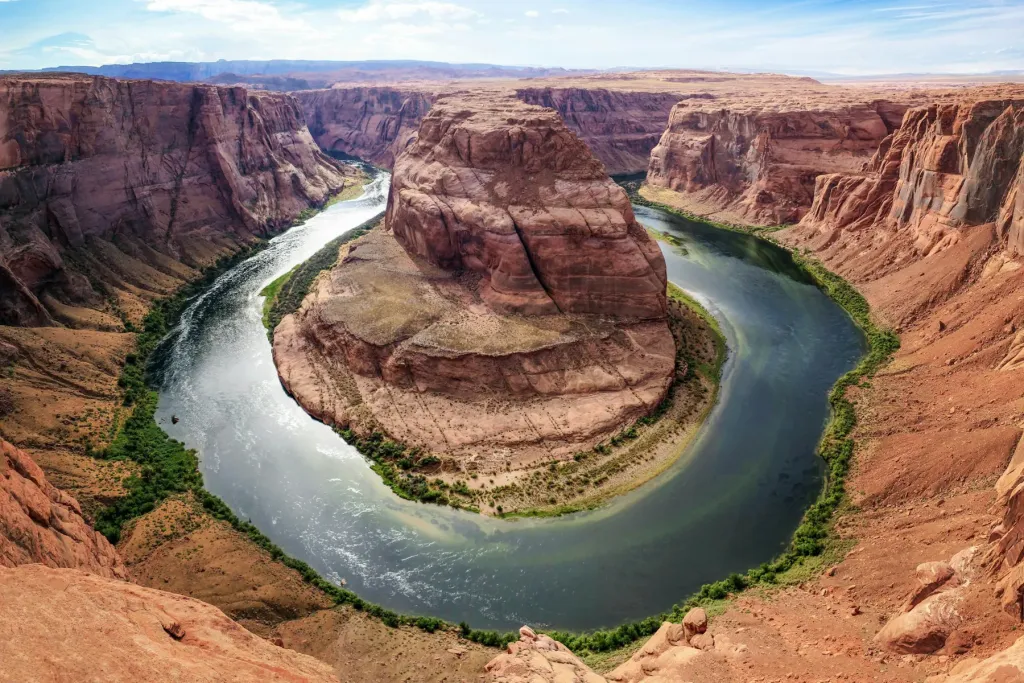
The ground just stops. One minute you are walking across pale orange sandstone under a huge Arizona sky, the next you are standing at a railing with about a thousand feet of air beneath your shoes and the Colorado River curling around a sandstone island so neatly it looks drawn with a compass. Everyone who reaches the edge of Horseshoe Bend makes the same small sound. I made it too.
I came here on day six of a big loop through the American Southwest, sandwiched between Zion and Monument Valley, and I almost skipped it. I had seen the photo a thousand times. I assumed the real thing would feel like visiting a postcard. I was wrong, and I was also wrong about the best time to see it, which is the main reason I’m writing this.
Here’s everything I wish I’d known: the short walk, the long drop and the honest truth about sunset.
In this story7 sections
The walk is easy, the edge is not
Horseshoe Bend sits just south of Page, Arizona, inside Glen Canyon National Recreation Area, and the trailhead is right off US-89. The path to the overlook is about three-quarters of a mile each way, so roughly 1.5 miles round trip, on a wide, hardened surface with a gentle grade. There are a couple of shade shelters with benches along the way, which in July are not decorative. Most people walk out in 15 to 20 minutes. The walk back is slightly uphill and feels longer in the heat.
At the overlook there’s a section of railing at the main viewpoint, and it’s where the classic straight-down view is. Beyond it, the rim continues for a long way with no barrier at all. The sandstone is smooth, often sandy on top, and it slopes toward the drop in places you don’t expect. People do get hurt here. I watched a man walk backward toward the edge while framing a selfie and I genuinely could not breathe until he stopped. Stay a body length back from the lip, keep kids close, and remember that the view doesn’t get meaningfully better by standing closer.

The honest truth about sunset
Sunset is the most popular time to visit, and I understand why. The sky over the plateau turns peach and then violet, the crowd goes quiet, and there’s a communal hush when the sun drops below the horizon. But here’s the part nobody put in the captions I’d been scrolling: the overlook faces roughly west, so at sunset you’re looking straight into the sun, and the bend itself falls into deep shadow well before the sky gets interesting.
For photographs, that means a tricky, high-contrast scene: a glowing sky above a nearly black canyon. For just standing there, it is still lovely. But if you want the river green and the walls glowing orange, the sweet spot is earlier. I went back the next morning around 10 a.m. and again the following afternoon about 90 minutes before sunset, and both were better for the canyon than the sunset itself. The midday view, when the sun is high enough to light the river directly, is the one in most of the famous shots.
My recommendation if you have only one visit: arrive about an hour and a half before sunset. You’ll see the canyon lit, watch the shadow crawl across the river, and still be there for the color in the sky. Then walk back in the dusk, when the trail empties and the heat finally breaks.
I came for the photo everyone takes and stayed for the hour after it, when the canyon went dark and the sky kept going.
Maya Collins
Getting the shot (and the time zone)
Two practical things tripped me up, so let me save you the trouble.
Bring something wide
The bend is enormous and close. With a phone, switch to the ultra-wide lens or you’ll cut off half the loop. With a camera, you need something around 14 to 16 mm on a full-frame body to fit the whole curve in a single frame. Shooting a vertical panorama also works. A small tripod helps in the low light after sunset, but tripods take up railing space on busy evenings, so be considerate.
Check what time it actually is
Arizona doesn’t observe daylight saving time, but the Navajo Nation, which surrounds much of this area, does. Page itself follows Arizona time. If you’re coming from Monument Valley or booking an Antelope Canyon tour, your phone may jump an hour depending on which tower it grabs. I nearly missed a tour slot because of it. Set your clock manually and confirm every booking in local Page time.
Good to know
- Parking at the official lot costs about $10 per car and it’s the only legal place to park; the old roadside pull-offs are closed.
- National park passes like America the Beautiful don’t cover the parking fee here because the lot is run by the City of Page.
- Drones are not allowed to be launched from the overlook within the recreation area without a permit.
- The lot opens around sunrise and closes after sunset; check posted hours before planning a night visit.
Heat, water and the summer reality
From June through August, Page regularly hits 95 to 100 °F (35–38 °C), and the sandstone reflects the heat right back at you. Even on a short walk, people get into trouble. I carried a full liter of water each way, wore a wide-brim hat, and still felt it on the uphill return at 4 p.m. If you’re visiting in summer, the early-morning window is kinder to your body as well as your photos.
Spring and fall are the best seasons here: highs in the 60s to 80s °F, calmer crowds once school is back in session, and lower prices at the motels in town. Winter is cold and windy but wonderfully quiet, and an occasional dusting of snow on the rim is a rare treat.
What I carried to the rim
It's a short walk, but the desert doesn't care how short.
0 of 11 packed— ready to go!
Making it part of a bigger loop
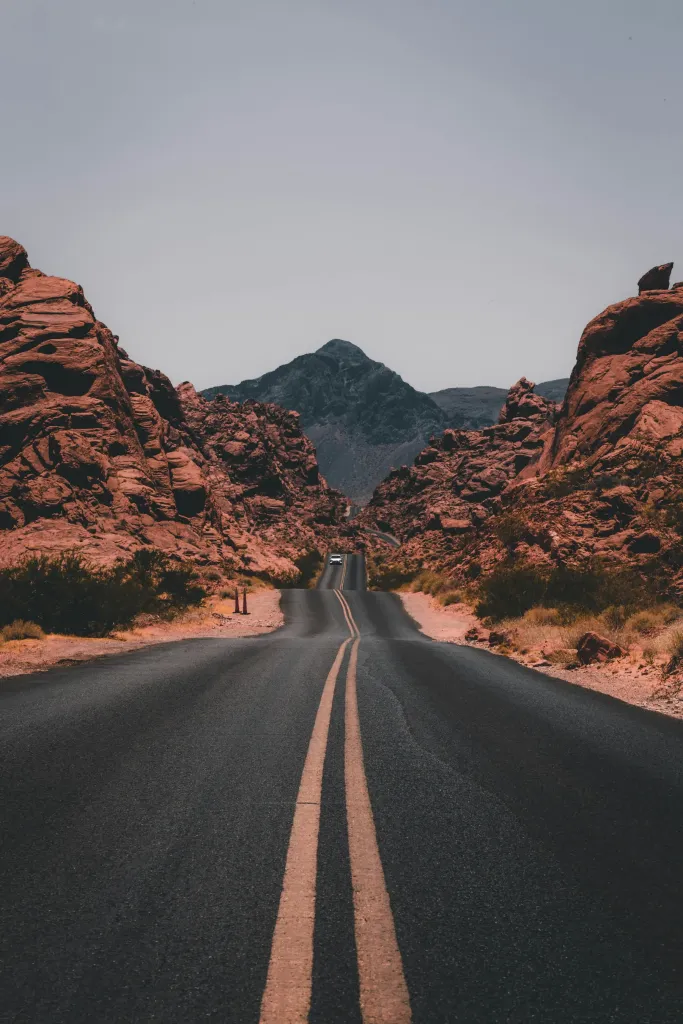
Page makes an excellent base for a night or two on a Southwest road trip. It’s a little under two hours from Zion’s east entrance, roughly two and a half hours from the Grand Canyon’s South Rim, and around two hours from Monument Valley. That’s exactly how I used it: Horseshoe Bend in the afternoon, Lower Antelope Canyon the next morning, then east toward the buttes.
A few other things worth the time while you’re in town:
- Antelope Canyon. The famous slot canyons are on Navajo land and can only be visited with a licensed Navajo-owned tour company. Book ahead, especially for midday slots in summer when the light beams appear.
- Lake Powell. Rent a kayak or take a boat tour from Wahweap Marina for a completely different view of Glen Canyon from the water.
- Glen Canyon Dam overlook. A short drive from town, free, and surprisingly dramatic at sunset.
Where I stayed and what it cost
Page has a strip of reliable chain motels and a few newer hotels along the main roads, plus campgrounds near Lake Powell. I paid about $145 a night for a clean, basic room in mid-October; summer weekends push similar rooms past $200. Dinner options are limited but fine, and the grocery store in town is the best place to restock water and snacks before the long drive to Monument Valley.
My costs for the Horseshoe Bend stop were tiny: $10 for parking (I paid it twice, for two visits) and a few dollars of gas. Antelope Canyon was the bigger line item, at roughly $100 per person with fees for a standard tour.
I’ve been back home for months now, and the image I keep returning to isn’t the sunset at all. It’s the walk out in the dusk, the trail almost empty, a raven calling somewhere below the rim and the river still faintly green in the last light. Go when you like, but go. And give it a second visit if you can; the canyon changes more in a day than you’d ever expect from a single famous view.