
At 4:40 in the morning the minibus smelled like instant coffee and nervous sunscreen. Twelve of us sat in the dark outside Göreme, watching the first burners flare across the valley floor like someone striking matches under a blanket. Then the driver’s phone buzzed, he said a single word in Turkish to the pilot, and we all drove back to our hotels. Flight canceled. Wind.
That was my first morning in Cappadocia, and it taught me more than the flight I eventually took. Everyone tells you the balloons are magical, and they are. What fewer people tell you is how often they don’t fly, how much of the best view is free, and whether a $250 basket ride is really the highlight or just the most expensive part of an extraordinary place.
I spent five nights in Göreme in early October, flew once, watched from the ground four times, and came home with strong opinions. Here they are.
In this story7 sections
The cancellation nobody plans for
Balloon flights in Cappadocia are approved each morning by Turkey’s civil aviation authority, based on wind and visibility at dawn. Operators don’t get to decide, and neither do you. If the wind is above the limit, or fog is sitting in the valleys, nobody flies, and the whole region’s schedule shifts by a day.
In spring and fall, cancellations are less common but they still happen; in winter, they can run for several days in a row. The real problem is the domino effect. When Monday is canceled, Monday’s passengers get moved to Tuesday, which was already full, so companies juggle, and travelers who booked a single morning at the end of their trip go home with nothing but a refund.
The fix is simple and almost nobody follows it: book your flight for your first morning, and stay at least three nights. If it’s canceled, most reputable operators will rebook you for the next available day. Mine flew on morning three.
Before you go
- Stay three nights minimum and book the balloon for your first sunrise.
- Pickup is usually 60–90 minutes before sunrise; that can mean 4:00 AM in summer.
- Ask the operator, in writing, what happens on a cancellation: rebooking, full refund, or both.
- Most companies set a minimum age (often around 6) and won’t take passengers who are pregnant.
What $250 actually buys you
Prices swing wildly with the season and the exchange rate. In October I saw standard flights quoted from about $200 to $300 per person, with “comfort” or small-basket flights at $350 to $500 and private baskets for couples well beyond that. I paid about $250 for a standard flight booked directly with an established operator.
For that you get a hotel pickup, a light breakfast in a field while the envelopes inflate, roughly an hour in the air, a landing, and a small celebration with sparkling juice or wine and a certificate you will lose within a week. The standard baskets are big. Mine held about twenty passengers in compartments of four or five, which means you get a rail spot but not much elbow room, and you photograph past a stranger’s hat at least once.
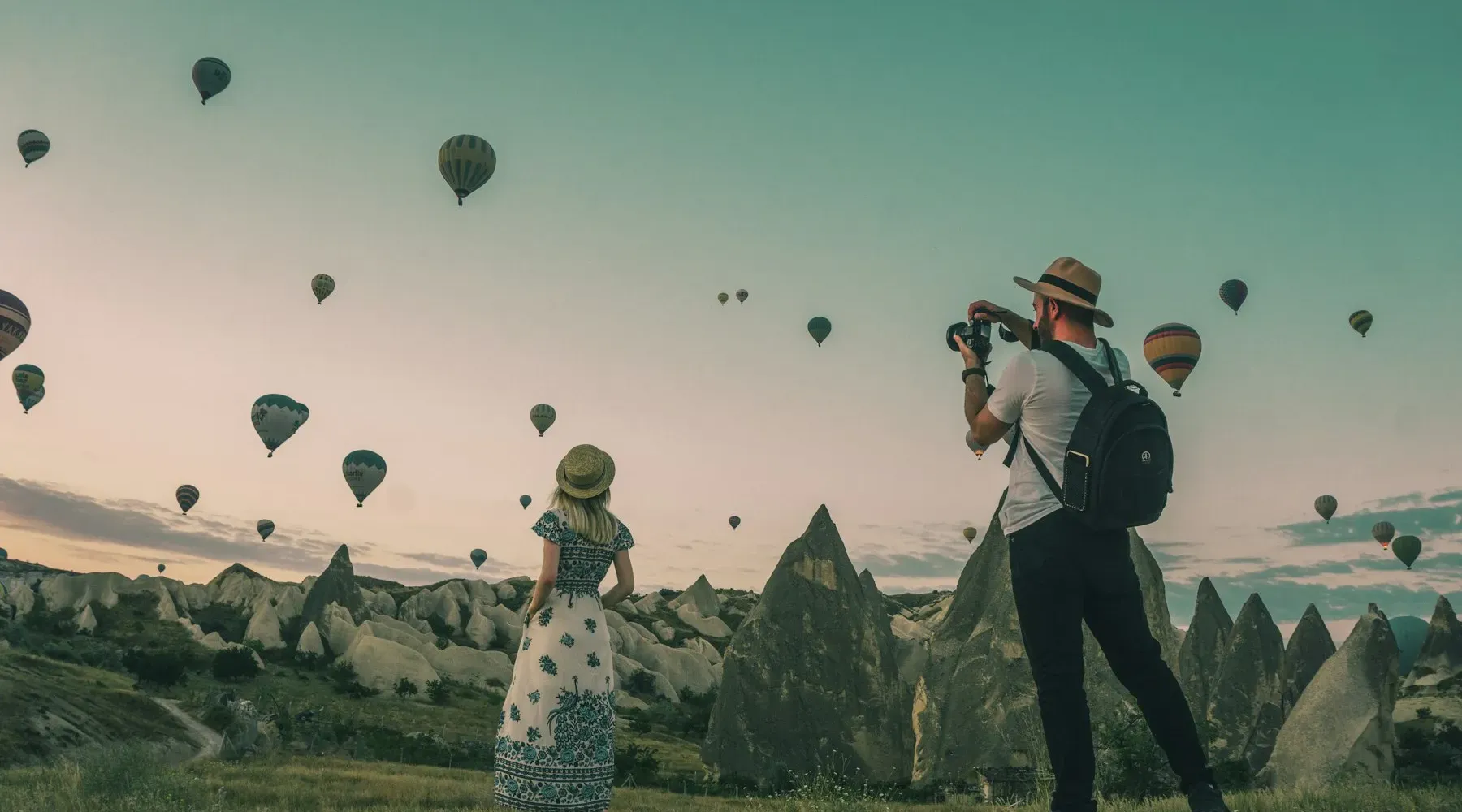
Was it worth it? Honestly, yes, but not for the reason I expected. The famous photo of a hundred balloons is better from the ground. What you only get in the air is the silence between burner blasts, the way the pilot drops into a valley until you can almost touch the rock chimneys, and then climbs until Erciyes, the big volcano to the east, shows up on the horizon. It feels slow and weightless and slightly unreal. That part I would pay for again.

How to choose an operator
Don’t book the cheapest flyer handed to you on the street. Look for a company with a long track record, experienced pilots, and clear policies on weight and cancellations. Smaller baskets cost more but make a real difference if you want photos without elbows in them. And if the quote seems far below everyone else’s, ask how long the flight actually lasts; some cheap options are closer to 40 minutes.
The free show is the better photo
On my four ground mornings I learned what the locals already know: the classic Cappadocia picture is taken by people standing still, not floating. The balloons rise together over the valleys around Göreme, and from a high point you see the entire fleet at once, glowing against the pink sky.
My favorite spots, all free or close to it:
- The hill above Göreme often called Sunset Point. It works at sunrise too, and the balloons frequently drift right over it. Arrive 45 minutes before sunrise to get a spot on the edge.
- Love Valley, a short drive or a dark, uneven walk from town. The rock pillars give the balloons scale, and it’s quieter than the main hill.
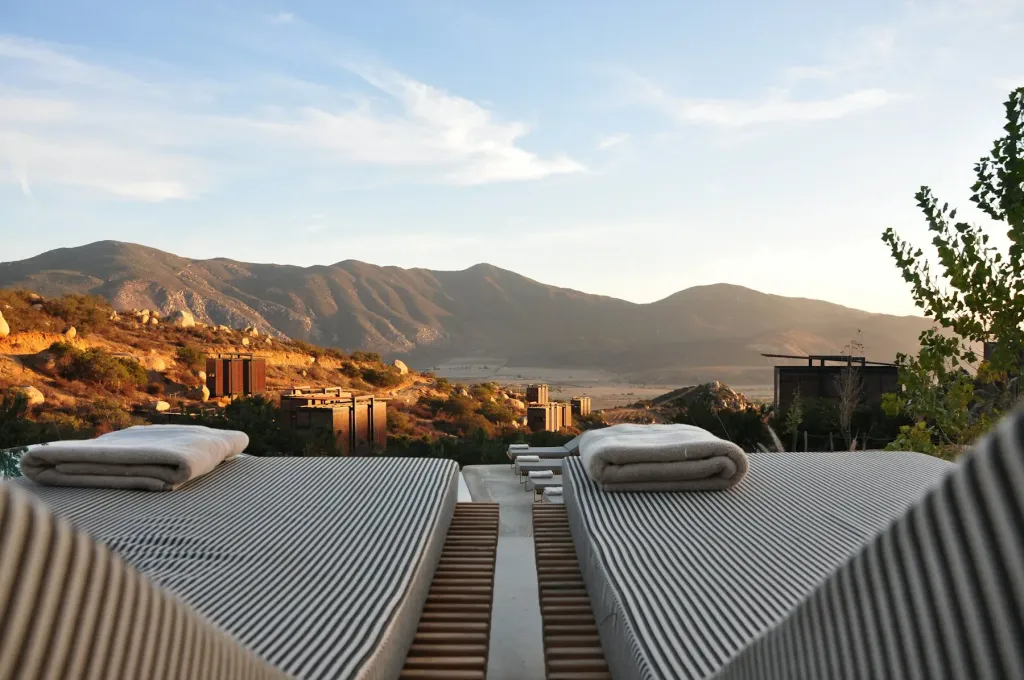
- Rooftops of cave hotels in Göreme. Many guesthouses put out rugs and tea on the roof for guests. Ask when you book; it can be the single best amenity in town.
- Uçhisar Castle, the tallest point in the area, with a small entry fee. The balloons are farther away, but the panorama is enormous.
Bring a headlamp, a warm layer even in summer, and a thermos. Dawn on the plateau is around 40°F in October and colder by November.
The famous photo of a hundred balloons is better from the ground. The silence is only in the air.
Maya Collins
The hours after sunrise
Here’s the other thing nobody tells you: by 8:00 AM, the balloons are packed into trailers and Cappadocia goes back to being one of the strangest, most walkable landscapes I’ve ever seen. Most visitors go back to bed. Don’t, or at least not for long.
The valleys between Göreme, Çavuşin and Uçhisar are crisscrossed with free trails. Rose Valley and Red Valley glow in the late afternoon, with tiny rock-cut churches tucked into the cliffs. The Göreme Open Air Museum is worth the ticket (around $20 to $25 for foreign visitors as of my trip), especially the frescoes of the Dark Church, which has its own small extra fee. Go right at opening or in the last hour before closing to avoid the tour buses.
If you have a car, the underground city at Kaymaklı or Derinkuyu is about a 30-minute drive. Neither is for the claustrophobic, but descending eight levels into a city carved for thousands of people is unforgettable.

Getting there and staying put
From the US, the easiest route is a flight into Istanbul (nonstops run from New York, Chicago, Washington, Houston, Los Angeles and several other hubs), then a domestic hop of about 75 minutes to either Kayseri (ASR) or Nevşehir Kapadokya (NAV). Nevşehir is closer to Göreme, about 40 minutes by shuttle; Kayseri has more flights and is roughly an hour away. Most hotels can arrange a shared shuttle for around $10 to $15 per person.
US citizens can currently visit Turkey visa-free for up to 90 days, but always double-check the State Department’s page before you fly. The currency is the Turkish lira; cards work in most hotels and restaurants, and a little cash helps at small cafés and viewpoints.
Stay in Göreme if this is your first visit. It’s small, walkable, and the balloons launch almost on top of it. Uçhisar is quieter and a bit more upscale, with fantastic views. Cave hotel rooms run from about $60 for simple guesthouses to $400 and up for boutique suites with private terraces.
Trip budget
My five days in Cappadocia
- Cave hotel$45043%
- Balloon flight$25024%
- Food$17016%
- Transport$11010%
- Museums & extras$707%
Flights from the US and Istanbul not included.
Budget tip
If the budget only allows one splurge, consider skipping the balloon and spending the money on a better cave room with a rooftop terrace. You’ll see the balloons every clear morning of your stay instead of once.
So, should you fly?
If you’ve dreamed about it for years, yes. Book early in your stay, pick a reputable operator, and go in knowing that the hour in the air is quieter and more personal than the photos suggest. If you’re on the fence, or on a tight budget, the ground show is not a consolation prize. Some of my happiest moments in Turkey were sitting on a cold rooftop with a glass of tea, counting balloons until I gave up somewhere after ninety.
Either way, set the alarm. Cappadocia rewards the people who are awake at 5:00 AM, whether their feet are on the ground or not.